| Ana Cristina Ferreira Castela Paixão Casaca, World of Shipping Portugal, Parede, Portugal . |
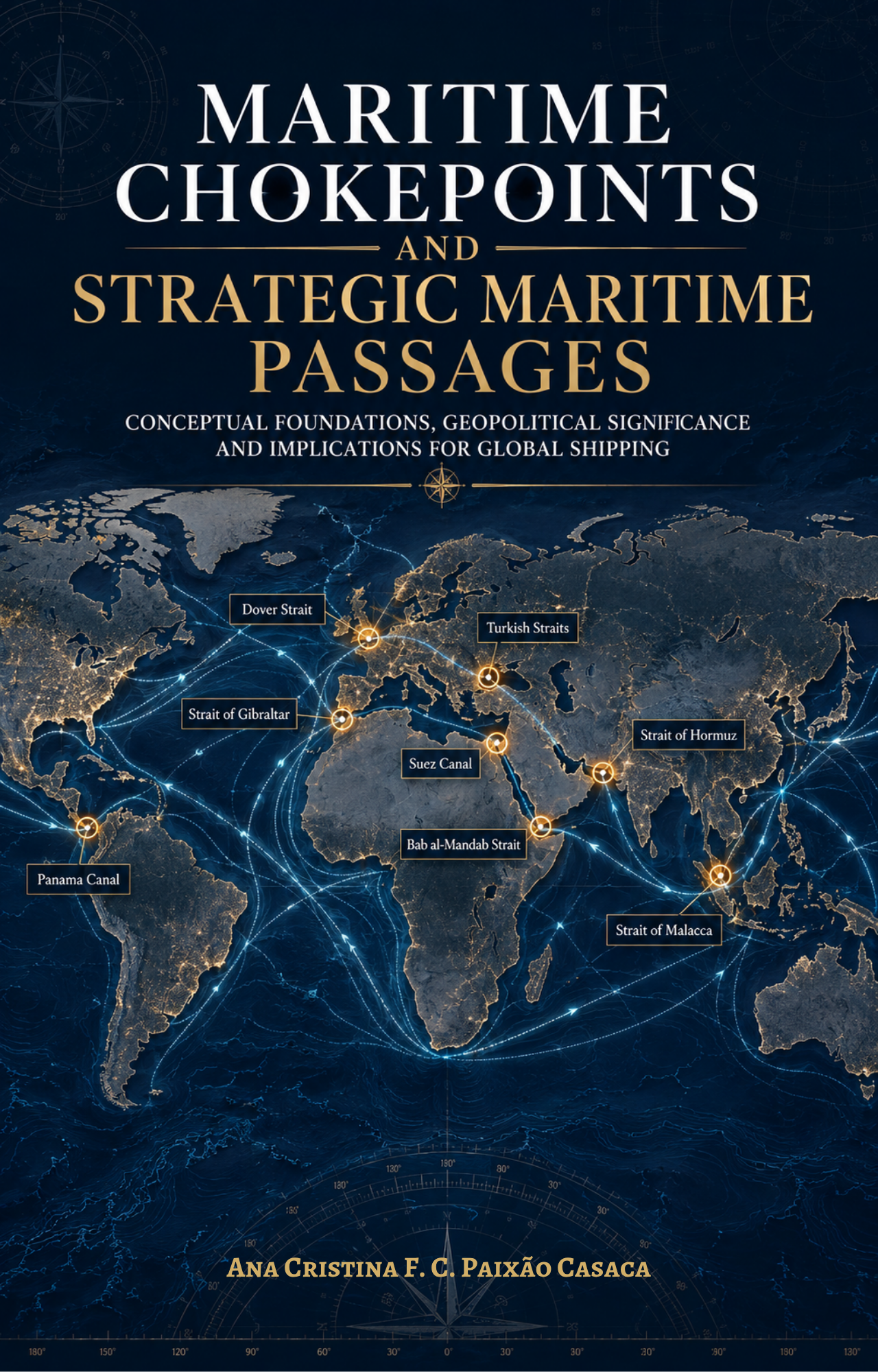
| Maritime chokepoints are critical components of the global transport system because they concentrate shipping movements within geographically restricted passages and connect major maritime regions. Their strategic importance extends beyond navigation: disruption may affect international trade, energy security, freight costs, supply-chain reliability and relations among states. However, the term maritime chokepoint is frequently applied without sufficient conceptual precision, leading narrow straits and artificial canals to be grouped with open-sea routes and other strategically important maritime locations. This work examines the historical and military origins of the chokepoint concept, distinguishes chokepoints from related geographical and geopolitical concepts, including shatterbelts, corridors, and gateways, and establishes the defining characteristics of a maritime chokepoint. Particular attention is given to the distinction between strict geographical and broader functional interpretations. On this basis, the work argues that the Cape of Good Hope, the Cape Horn, and Cape Leeuwin, although indispensable strategic passages and important alternatives, should not be classified as maritime chokepoints. Unlike a strait, channel or canal, they do not physically confine vessels between opposing shores or restrict navigation to a single passage. This conceptual distinction provides the foundation for a more consistent classification of primary and secondary maritime chokepoints and for the subsequent examination of their commercial, navigational and geopolitical significance. |
| Maritime chokepoints; Strategic maritime passages; Maritime geopolitics; Transport corridors; Global shipping; Maritime trade; Supply chain resilience; Maritime security; Trade routes; Chokepoint vulnerability. |
| Subscribe to obtain 12 months of secure online access to this document and related materials available on this platform. All content is provided strictly for online consultation only. Downloading, copying, reproduction, sharing, or redistribution in any form is prohibited, in order to protect the author’s intellectual property. Access is granted for a period of 12 months from the date access to the platform is granted. |